
When it comes to fire safety, having the right person in charge can make all the difference.
But what exactly does it mean to be a competent person for fire safety in the UK? And how do fire safety competency standards shape the role? In this post I walk you through what a competent person is, why it matters, and how businesses can make sure they meet the standard.
Why fire safety competency standards matter
Fire safety is not just about having extinguishers or alarms in place. It’s about making sure someone with the right knowledge, skills and experience is responsible for managing fire risks effectively. This is where fire safety competency standards come in.
These standards set out the minimum requirements for anyone given fire safety duties. They help businesses understand what qualifications and experience a competent person should have. Without them, it’s easy to underestimate the complexity of fire safety or hand the role to someone unprepared.
For example, a competent person should be able to:
- Identify fire hazards in the workplace
- Carry out thorough fire risk assessments
- Develop and implement fire safety policies
- Train staff on fire safety procedures
Following fire safety competency standards helps businesses reduce the risk of fire and comply with UK fire safety law.
What does the HSE mean by a competent person?
The Health and Safety Executive (HSE) plays a key role in defining competence in fire safety. According to the HSE, a competent person has sufficient training, experience and knowledge to carry out their fire safety duties properly.
They don’t necessarily need to be a fire safety expert or hold a specific qualification, but they must understand the risks and how to manage them. The HSE describes competence as a combination of:
- Knowledge: understanding fire risks, legislation and control measures
- Experience: practical exposure to fire safety management
- Training: formal or informal education in fire safety
For instance, a facilities manager who has attended fire safety courses and regularly runs fire drills could be considered competent. A complex or high-risk building, however, may need a specialist fire safety consultant.
The HSE also stresses that competence is not static. It needs ongoing learning and review to keep up with changes in legislation and best practice.
The role of a competent person in fire safety
A competent person is the cornerstone of any effective fire safety strategy. Their responsibilities cover a wide range of tasks, all aimed at preventing fire and protecting lives and property. Typically, they:
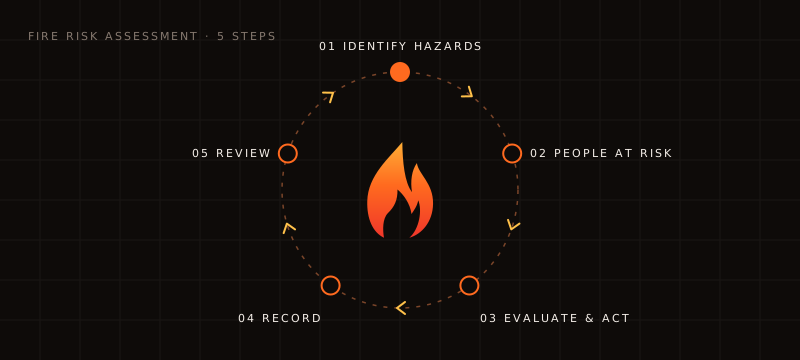
- Conduct fire risk assessments. They identify potential fire hazards, evaluate the risks and recommend control measures. The assessment must be thorough and regularly updated.
- Develop fire safety policies. They create clear procedures for fire prevention, evacuation and emergency response, tailored to the workplace.
- Make sure fire safety equipment is maintained. Regular checks on fire alarms, extinguishers, emergency lighting and escape routes are essential.
- Train and inform staff. They organise training sessions and drills so everyone knows what to do in an emergency.
- Keep records. Records of risk assessments, training and maintenance checks are vital for accountability and legal compliance.
By carrying out these duties, the competent person creates a safer environment and reduces the likelihood of fire-related incidents.
How to identify a competent person in your organisation
Finding the right person for fire safety responsibilities can be challenging. These practical steps will help.
Assess existing staff skills
Look for people with relevant experience or qualifications in health and safety or fire safety.
Provide training
If no one currently meets the standard, invest in training that covers fire risk assessment, fire prevention and emergency procedures.
Consider external consultants
For complex or high-risk environments, a specialist fire safety consultant can make sure you comply and get expert advice.
Evaluate competence over time
Competence isn’t a one-off check. Review the person’s knowledge and performance regularly, especially after changes in legislation or workplace conditions.
Use official guidance
Refer to government and HSE resources to understand the competencies required and the recommended qualifications.
Remember, the competent person should be able to dedicate enough time to fire safety duties and have the authority to make the changes needed.
Why choosing the right person matters
Selecting the right competent person is not about ticking a box. It’s about protecting your people, your assets and your reputation. Fire safety failures can have devastating consequences, including injury, loss of life, legal penalties and financial damage.
Appointing a truly competent person means:
- Fire risks are properly identified and managed
- Fire safety measures are effective and up to date
- Staff are well informed and prepared for emergencies
- Your organisation complies with UK fire safety law
If you’re unsure who should take on the role, or how to meet the standard, it’s worth getting expert advice. A competent fire safety professional can guide you through the process and tailor solutions to your needs. The HSE’s guidance on fire safety competence is a good place to start.
Keeping competence up to date
Fire safety is an evolving field. New technologies, updated regulations and changing workplaces mean that what was competent yesterday might not be enough tomorrow.
Schedule regular training
Keep skills fresh and knowledge current with refresher courses and new certifications.
Review fire risk assessments annually
Or more often if there are significant changes in the workplace.
Stay informed about legislation
Follow updates from the HSE and other relevant bodies.
Encourage a safety culture
Promote awareness of, and responsibility for, fire safety at every level of your organisation.
Fire safety is a critical responsibility that needs the right expertise and dedication. Whether you appoint someone internally or bring in an expert, prioritising competence is a smart, practical step for any organisation.
Need a competent assessor?
Steve is an NFRAR Advanced Level fire risk assessor with 26 years in the fire service.
Keep reading